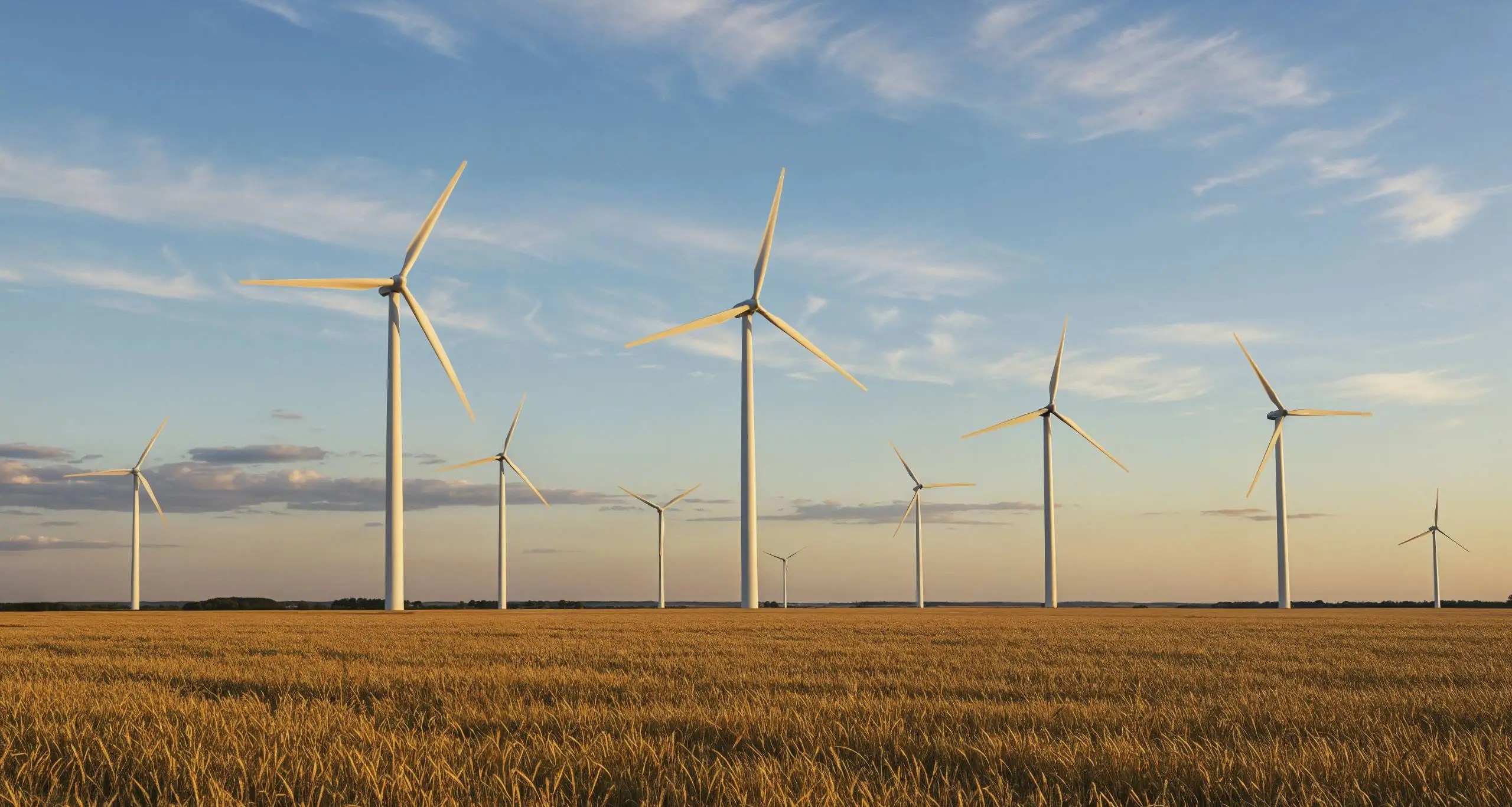
Site-level meteorological intelligence powering generation predictions
some logos hidden due to NDAs
Operating at lower resolution, they provide the same
predictions for assets kilometers apart, missing local effects.
This causes systematic errors that compound across an entire portfolio, leading to imbalance
penalties, missed bids and grid instability.
Gas, wind, solar, hydro, and geothermal all rely on weather to forecast output, schedule operations, and avoid costly mismatches between expected and actual generation.
Electricity prices, intraday positions, and imbalance exposure are driven by short-term weather variability, making forecast uncertainty a direct financial risk for trading desks.
Grid capacity, congestion, losses, and operational safety depend on ambient weather conditions, especially as networks operate closer to their physical and regulatory limits.
Charging and dispatch strategies for storage assets depend on weather-driven supply and demand dynamics, where timing errors directly impact revenue and system stability.
hylosense was the winner of Fortum's 2025 Spark Innovation Challenge, where the team was awarded both best startup and best pitch at SLUSH. Now Fortum and hylosense are working together on a pilot to showcase how hyper-local weather can boost operational efficiency of generation assets in the Nordics.
Weather plays a key role in energy generation from wind, solar and gas turbines. By tailoring our AI hyper-local weather forecasts models to Uniper's power plant locations, we were able to increase the accuracy of existing forecasts up to 50%, saving Uniper costs both for over-promise and under deliver, as well as under-promise and opportunity loss.
We work with generation, trading, and grid operations teams at major utilities worldwide. Book a session to see how hylosense integrates with your existing systems and workflows.
Book a session